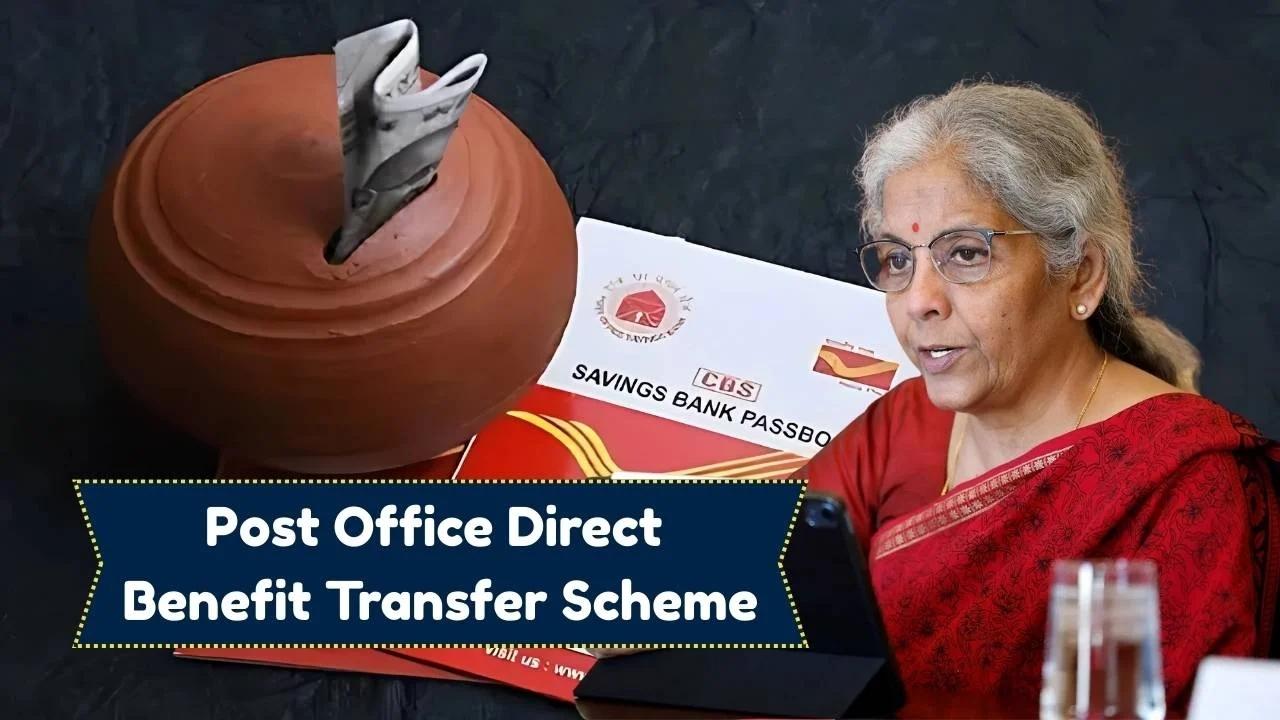
Post Office Direct Benefit Transfer Scheme 2025: The Indian Post Office has long been a trusted part of public life, especially for people in rural and semi-urban regions. Beyond postal services, it has emerged as a major financial service provider, helping millions manage savings and government benefits with ease. With the government pushing for transparent and efficient welfare delivery, the Direct Benefit Transfer system has been integrated with post office accounts, allowing subsidies and payments to reach eligible citizens quickly and securely.
Key Highlights of the Post Office DBT Scheme
| Feature | Details |
|---|---|
| Scheme Type | Direct credit of government subsidies to post office savings accounts |
| Eligibility | Any individual with a post office savings account linked to Aadhaar |
| Beneficiaries | Pensioners, students, LPG subsidy holders, MGNREGA workers, rural households |
| Required Documents | Aadhaar, savings account details, registered mobile number |
| Services Covered | LPG subsidy, pensions, scholarships, MGNREGA wages, welfare scheme payments |
| Availability | All post offices across India including rural and remote regions |
| Benefit Access | Through counter withdrawal or Aadhaar Enabled Payment System |
What Is the Post Office Direct Benefit Transfer Scheme
The Post Office Direct Benefit Transfer Scheme is a government initiative that deposits welfare funds directly into the beneficiary’s savings account at the post office. Instead of traditional paperwork or middlemen, the money moves straight from the government to the individual. This has brought major convenience to rural households who rely on subsidies such as LPG benefits, social security pensions, scholarships for children, or MGNREGA wages. Since post offices reach even the most remote locations, they serve as a reliable channel for beneficiaries to access their financial entitlements safely and quickly.
Objectives of the Scheme
The primary aim of the Post Office DBT Scheme is to ensure that subsidies are delivered to the rightful recipients without delays or diversion. The system promotes transparency, reduces corruption, and encourages financial inclusion among people who may not have easy access to commercial banks. By linking post office accounts with Aadhaar, the government has simplified the subsidy distribution process and made welfare payments more accessible and traceable.

Features of the Post Office DBT Scheme
The scheme offers direct transfer of funds into post office savings accounts, eliminating intermediaries and reducing delays. It functions across the country using India Post’s widespread network, which benefits individuals even in villages without bank branches. Aadhaar linking enables quick verification, while withdrawals and balance checks can be done at any nearby post office or through the Aadhaar Enabled Payment System. This makes the system easy to use, even for those unfamiliar with digital banking.
Benefits for Account Holders
The biggest advantage for beneficiaries is the timely credit of subsidies. Since the funds are sent directly to their accounts, the chances of misuse or diversion are eliminated. Rural households gain better access to their welfare payments without traveling long distances. The scheme encourages saving habits and enhances financial literacy for people who may be new to formal financial systems. Pensioners, students, and rural workers benefit greatly from the reliable system of receiving their payments without complications.
Eligibility for the Scheme
Anyone with a post office savings account can activate the Direct Benefit Transfer facility. The account must be linked with Aadhaar for identity verification, and the mobile number should match the Aadhaar records. The scheme applies to those receiving government subsidies, pensions, scholarships, or employment payments under various welfare programs.

Registration Process
To register for DBT services, the account holder must visit the nearest post office with their savings passbook and Aadhaar card. After filling out the DBT registration form, the Aadhaar is linked to the account. Once verification is successful, the account becomes capable of receiving DBT credits. Subsequent subsidies are automatically deposited without requiring any additional steps from the beneficiary.
Services Covered Under the Scheme
The Post Office DBT system covers several government welfare programs. These include LPG subsidies under the PAHAL scheme, old-age pensions, widow and disability pensions, student scholarships, and wages provided under the MGNREGA employment program. Many central and state government benefit schemes are also included, allowing beneficiaries to receive payments in one consolidated savings account.
Importance for Rural India
The scheme is particularly significant in rural regions where banking facilities are limited. While many villages lack a commercial bank, post offices are widely accessible. This allows people to receive subsidies without long travel or additional expenses. The system is especially beneficial for senior citizens, women, and workers who can access their entitlements conveniently. Aadhaar-enabled services have made it possible to deliver banking support even at the doorstep in some areas.

Challenges and Future Scope
Although the scheme has improved welfare delivery, certain challenges still exist. Rural connectivity issues and inconsistencies in digital infrastructure sometimes cause delays. Aadhaar linking problems due to mismatched details can also hinder transactions. Lack of awareness prevents many eligible individuals from taking advantage of DBT services. Strengthening digital systems, expanding information campaigns, and simplifying Aadhaar updates can further enhance the scheme’s effectiveness. With continuous improvements, the Post Office DBT system can become the foundation of welfare distribution in India.
Final Verdict
The Post Office Direct Benefit Transfer Scheme is a major step toward transparent and efficient distribution of government subsidies. By crediting funds directly into beneficiary accounts, it removes middlemen and ensures faster access to welfare payments. For rural families, pensioners, students, and workers, the system brings convenience and financial reliability. With India Post’s strong rural presence, the scheme has the potential to transform subsidy delivery and support inclusive growth across the country.
Disclaimer
The information presented in this article on the Post Office Direct Benefit Transfer Scheme is intended for general awareness and educational purposes. While efforts have been made to ensure accuracy, beneficiaries should confirm details through official India Post sources, government notifications, or local post offices. Policies and norms are subject to change, and individuals should verify the latest updates before making financial decisions.