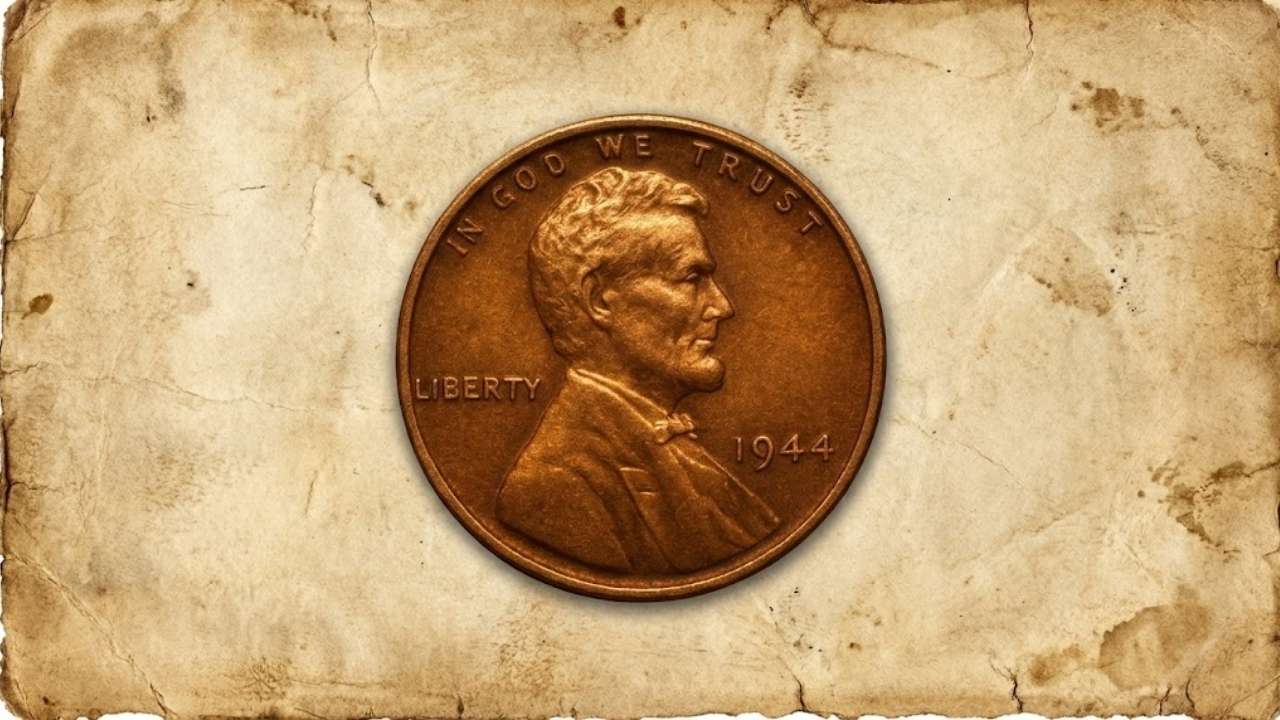
Lincoln Wheat Penny: The discovery of a rare Lincoln Wheat Penny valued at up to $840,000 has created a wave of excitement among coin collectors and everyday hobbyists. While most Wheat Pennies are familiar copper coins worth only a small premium, a handful of unique varieties contain extraordinary traits such as unusual metal compositions, dramatic minting errors, and pristine preservation. These special features can elevate an ordinary-looking penny into a six-figure collectible. The possibility that such a coin could still appear in pocket change has made collectors far more attentive to the coins they encounter every day.
The Lincoln Wheat Penny remains one of the most iconic American coins ever produced. With Abraham Lincoln’s portrait on the front and the traditional wheat-ear design on the back, it represents both history and craftsmanship. Yet, among the millions created, only a few possess the rare attributes that place them among the most coveted treasures in modern numismatics.
Why This Penny Has Become So Valuable
Several key factors contribute to the intense interest surrounding this rare Wheat Penny. Coins with severe minting errors, transitional metal compositions, or original surfaces untouched by circulation can increase dramatically in value. Historical importance also plays a major role, as collectors continue to appreciate early-century U.S. designs. Strong market demand for exceptional Wheat Penny varieties, combined with recent record-setting auction results, has created a competitive environment where rare examples can reach extraordinary price levels. Growing attention from collectors and media outlets has only intensified the fascination surrounding this particular discovery.
Collectors now closely inspect even ordinary pocket change, aware that incredible finds still surface unexpectedly. Everyday coin jars, flea markets, and inherited collections often hide overlooked rarities that later prove to be extremely valuable.
Exterior Design and Visual Identification
Minted from 1909 through 1958, the Lincoln Wheat Penny is admired for its detailed design and consistent historical appeal. The features of its exterior play an essential role in identifying rare pieces. The obverse displays Victor D. Brenner’s portrait of Abraham Lincoln, accompanied by the date and the word LIBERTY. Small mintmarks, such as D or S, indicate where the coin was minted. The reverse carries the iconic wheat-ear design, a tribute to American agriculture.
Rare examples frequently show sharper details than common ones. Collectors look for clear features in Lincoln’s hair, jawline, and coat, along with strong relief, clean rims, and exact metal characteristics. These traits help distinguish an ordinary penny from a rare coin that could be worth a fortune.
Exterior Features Summary
| Feature | Description |
|---|---|
| Portrait | Abraham Lincoln by Victor D. Brenner |
| Mintmarks | Common markings include D and S; some have none |
| Reverse | Wheat-ear design |
| Metal | Copper, bronze, or special off-metal varieties |
| Relief | Sharply defined details on rare examples |
| Rim | Clear and fully formed edges on high-quality coins |
Interior Craftsmanship and Micro-Level Details
Beyond the visible features, experienced collectors study smaller elements that indicate quality and rarity. Fully defined wheat lines on the reverse, clean fields without scratches, and sharp separation in Lincoln’s beard and coat folds signal superior conditions. Uniform texture, preserved luster, and clarity in inscriptions such as IN GOD WE TRUST also add to a coin’s appeal. These small details often determine whether a Wheat Penny ranks in an elite grading category, which significantly increases its market value.
Minting Technology and Its Role in Rarity
The production methods used during the early twentieth century also contribute to the coin’s scarcity. Transitional metal strikes, polished dies that provide extra shine, doubled dies, and unique die markers all help experts identify rare varieties. Wartime experiments with metal compositions and limited production runs created unusual pieces still being discovered today. Understanding these technical elements is crucial for verifying authenticity and explaining unusual characteristics in high-value coins.
Market Performance and Rising Investment Interest
Rare Lincoln Wheat Pennies continue to perform exceptionally well in the collectible market. Many early-date examples have steadily increased in value, especially those with off-metal errors or transitional alloys. International interest in copper and bronze U.S. coins has also expanded the buyer base. High-grade Wheat Pennies consistently show long-term appreciation, making them attractive acquisitions for both collectors and investors. Some rare examples have achieved auction prices exceeding $800,000, demonstrating the strong demand for premium varieties.
Condition, Preservation, and Value Impact
The condition of a coin significantly influences its value. Collectors look for coins with original mint luster, minimal circulation marks, clean surfaces, and crisp rims. Even toning patterns can affect market appeal. When a rare Wheat Penny remains exceptionally well-preserved, its value can rise dramatically, often placing it among the highest-priced pieces ever sold.
Authenticity, Security, and Professional Grading
Because high-value coins attract counterfeits, authentication is a crucial process. Reputable grading services such as PCGS and NGC use strict standards to certify coins and verify metal composition. Specialists study die markers, alloy consistency, and surface features to confirm authenticity. Proper grading and sealed encapsulation not only protect the coin but also reassure buyers and maintain confidence at auction.
Practical Value for Collectors
Rare Wheat Pennies offer more than financial potential. Their small size makes them easy to store, and they provide a practical entry point for new collectors while offering long-term value for seasoned numismatists. Their historical significance and educational interest appeal to collectors around the world. As demand grows, these coins continue to show strong liquidity in both private sales and major auctions.
Pricing Structure and Availability
The value of Lincoln Wheat Pennies varies widely based on date, composition, and errors. Circulated coins are usually worth modest premiums, but high-grade early years can command far higher prices. Doubled dies and transitional metal errors often reach the upper end of the value spectrum. Rare wartime copper or bronze examples remain among the most valuable. Unique varieties and unreported errors occasionally appear, generating major interest and sometimes selling for hundreds of thousands of dollars.
Final Overview
The discovery of a rare Lincoln Wheat Penny valued at up to $840,000 serves as a reminder that extraordinary treasures can still be found in everyday life. With its deep historical roots, exceptional craftsmanship, and strong performance in the collectible market, the Lincoln Wheat Penny stands as one of America’s most iconic and desirable coins. Its rare varieties continue to inspire collectors, spark competitive bidding, and attract media attention. Whether found in a coin jar or passed down through generations, these special coins capture the imagination of anyone who appreciates history, artistry, and the thrill of discovery.
Disclaimer
This article is for informational purposes only. Coin values depend on market conditions, professional grading, and verified authenticity. Readers should consult qualified numismatic experts before making buying or selling decisions.
