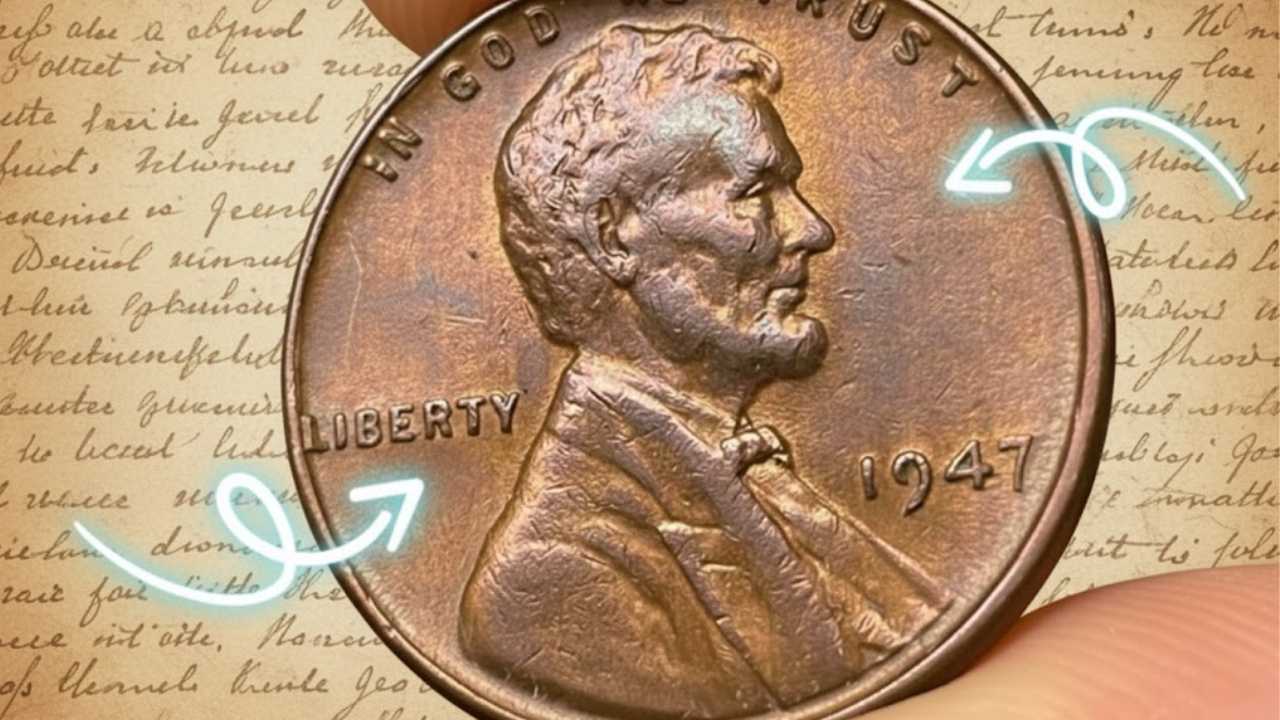
Lincoln Penny Value Guide 2025: Lincoln pennies are among the most iconic and widely collected U.S. coins. Since their introduction in 1909, they have evolved from simple everyday currency into highly collectible numismatic items. Each year and mint mark carries historical context that influences the penny’s rarity, condition, and market value. Collectors and investors closely monitor Lincoln pennies for their potential to appreciate over time.
This table shows how key-year Lincoln pennies have appreciated in value due to rarity, error types, and collector demand.
Key Highlights of Lincoln Penny Value Trends
Collectors and investors should note the following trends:
- Steady long-term appreciation for rare early-year examples
- Significant price increases for high-grade and key-date coins
- Rising interest in mint errors, proofs, and doubled dies
- Greater accessibility through grading services and online marketplaces
- Increased global attention to early 20th-century U.S. coinage
These factors have made Lincoln pennies a cornerstone of coin collecting and numismatic investment.
Why Lincoln Penny Values Differ by Year
The value of a Lincoln penny is influenced by several factors:
- Year of minting and specific mint mark rarity
- Surviving population in uncirculated or high-grade condition
- Popular varieties, including doubled dies, repunched mint marks, and die cracks
- Market demand among collectors and investors
- Metal composition, especially copper content in pre-1982 coins
- Special proof strikes and limited edition mintings
Coins from low-mintage years or those with notable errors consistently achieve the highest premiums.
How to Evaluate Lincoln Penny Values
Collectors can determine penny value by following these steps:
- Verify the year and mint mark beneath Lincoln’s portrait
- Examine for doubled dies on the date, lettering, or wheat ears/shield
- Inspect under magnification for repunched mint marks and die cracks
- Compare grading standards using PCGS or NGC reference charts
- Avoid cleaning or polishing to preserve original surfaces
- Even common-date pennies can hold significant value in superb condition
Lincoln Penny Values by Era
Lincoln penny values vary by design type and production era:
Pre-War Wheat Pennies (1909–1919)
- Highly collectible with low surviving high-grade populations
- Early proofs and key dates often exceed premium auction estimates
Mid-Wheat Era (1920–1939)
- Includes notable rarities such as the 1922 No D and low-mintage branch mints
- MS65+ examples consistently outperform market averages
Late Wheat Era (1940–1958)
- Includes rare 1943 bronze and 1944 steel error pennies
- Gem uncirculated coins are popular with both new and experienced collectors
Memorial Penny Era (1959–2008)
- High-grade, proof, and doubled-die varieties bring premium value
- Pre-1982 copper pennies have additional intrinsic metal value
Shield Penny Era (2010–Present)
- Modern errors and early proof strikes are increasingly valued
- MS/PF70 examples are especially prized by investors
Top High-Value Lincoln Pennies to Look For
Collectors focus on these high-value Lincoln pennies:
- 1909-S VDB
- 1914-D
- 1922 No D
- 1931-S
- 1943 Bronze error
- 1955 Doubled Die Obverse
- 1969-S Doubled Die
- 1972 Doubled Die
- Early proofs and full red MS67+ examples
Where Rare Lincoln Pennies Are Commonly Found
Valuable Lincoln pennies are often discovered in:
- Old coin jars and inherited family collections
- Bank rolls and bulk copper penny lots
- Estate sales, antique shops, and garage sales
- Safety deposit boxes untouched for decades
- Coin shows and private dealer inventories
Many high-value coins are discovered in ordinary households rather than curated collections.
Authentication and Grading Importance for Lincoln Pennies
Professional grading enhances both confidence and market value:
- PCGS and NGC provide certification, population data, and grading labels
- ANACS and ICG verify varieties and rare mint errors
- Higher grades can exponentially increase a coin’s value
- Encapsulation protects condition and resale potential
- Certified coins regularly outperform raw, ungraded examples
Modern Market Trends and Future Outlook
The Lincoln penny market in recent years has seen:
- Rising demand for scarce early dates and Red designation coins
- Increased interest in doubled dies and striking errors
- Strong auction performance for MS66+ copper pennies
- Online platforms expanding accessibility to collectors worldwide
- Promising future value growth, especially for key-date coins and rare mint varieties
How to Sell Valuable Lincoln Pennies
Collectors can sell valuable pennies via:
- Numismatic auction houses for high-end certified coins
- Professional coin dealers for appraisals and offers
- Coin shows for direct collector-to-collector sales
- Online marketplaces with optional authentication
- Direct sales to private buyers specializing in rare coins
Submitting coins for grading before sale often yields higher returns.
Final Verdict
Lincoln pennies remain one of the most historically significant and rewarding U.S. coin series for collectors. Rare dates, mint errors, and high-grade examples consistently drive value upward across all eras. Whether collecting for investment or passion, Lincoln pennies offer exciting opportunities to discover hidden treasures. Even ordinary coins may hold extraordinary potential for the informed collector.
Disclaimer
All estimated values are subject to change based on market trends, grading, condition, and collector demand. Collectors should consult professional grading services or experienced numismatists before buying or selling rare Lincoln pennies.
