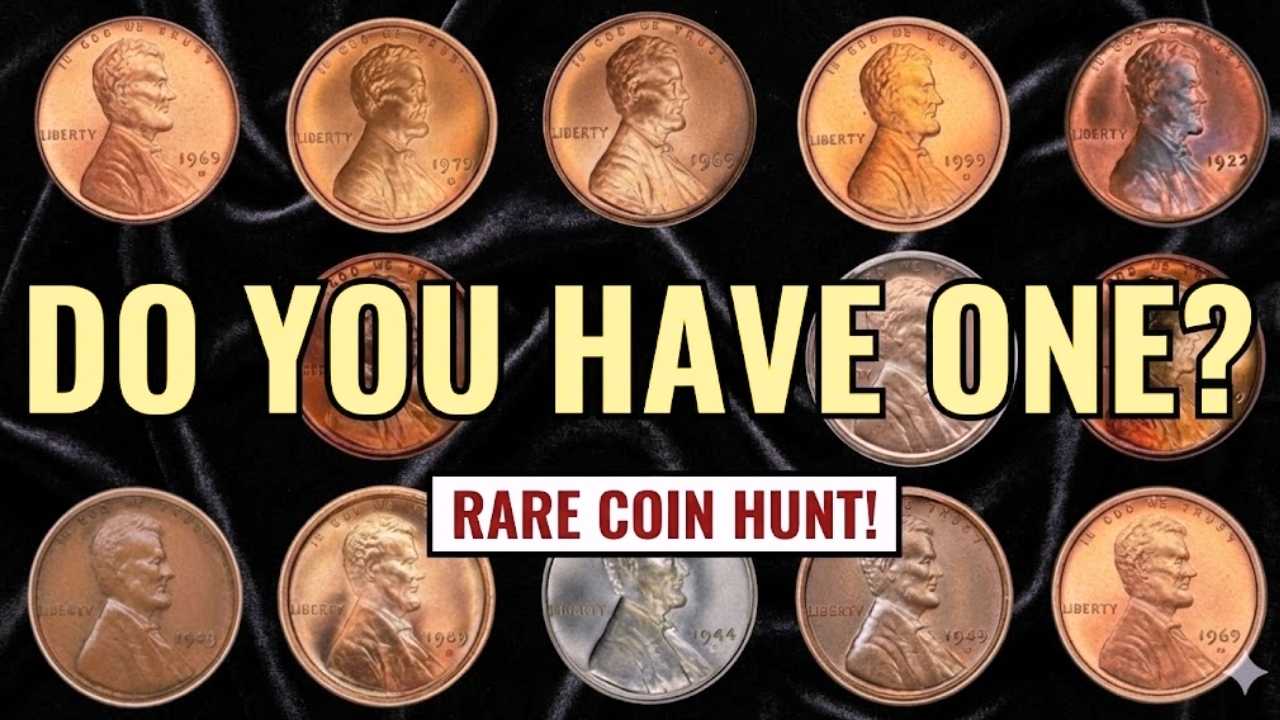
13 Most Valuable 20th-Century Pennies: Rare pennies from the 20th century continue to draw strong interest among collectors and investors due to their scarcity, historical background, and steadily increasing market prices. As demand rises in 2025, certain pennies once considered ordinary have now become valuable assets for anyone involved in numismatics.
Whether someone is just beginning their collecting journey or already experienced in coin grading, understanding these standout pennies can help identify pieces that may be worth surprising amounts of money.
1909-S VDB Lincoln Cent
The 1909-S VDB penny is one of the most recognized early Lincoln cents. Its mintage was extremely small, and it carries the initials of designer Victor David Brenner, which were later removed. Authentic examples are often targeted by counterfeiters, so certification is vital. High-grade versions consistently bring strong auction prices.
1914-D Lincoln Cent
The 1914-D penny is another major rarity, coming from a year when the Denver Mint produced very few cents. Heavy circulation has left many examples damaged or worn, making top-condition pieces especially valuable. Collectors consider it one of the essential early 20th-century wheat pennies.
1922 No D Lincoln Cent
This popular mint error occurred when worn dies produced coins missing the Denver mintmark. Since Denver was the only mint producing cents in 1922, the error gained immediate significance. Well-struck examples are scarce, and collectors frequently pay high premiums for authenticated varieties.
1931-S Lincoln Cent
Minted during the Great Depression, the 1931-S coin saw low production numbers but surprisingly good survival in high grade. Demand remains strong because collectors seek it as a key date with long-term appreciation potential.
1943 Copper Lincoln Cent
One of the most famous U.S. minting mistakes, the 1943 copper penny was created accidentally when leftover copper blanks were used during a year meant for steel cents. Fewer than 20 genuine examples have been confirmed. This rarity often sells for hundreds of thousands.
1944 Steel Lincoln Cent
This unusual wartime error occurred when the mint struck a small batch of 1944 pennies on leftover steel planchets intended for the previous year. Only a handful survive, and collectors consider it one of the most dramatic U.S. error coins.
1955 Doubled Die Lincoln Cent
The 1955 doubled die exhibits strong doubling across the date and lettering, creating one of the most eye-catching errors in U.S. numismatics. Even circulated examples bring impressive prices, and high-grade coins are prized worldwide.
1969-S Doubled Die Obverse Lincoln Cent
This rare doubled die variety displays heavy doubling on the obverse design. Because only a limited number are known, prices for certified examples regularly reach six figures. It remains one of the most coveted modern wheat penny errors.
1970-S Small Date Doubled Die Lincoln Cent
Featuring both a small date variety and noticeable obverse doubling, this penny is a challenging coin to identify without experience. Certification is essential, and collectors actively pursue this variety due to its scarcity and rising value.
1983 Doubled Die Reverse Lincoln Cent
The doubled die reverse of 1983 shows clear doubling on the lettering. Many people overlook this penny in pocket change, which makes finding one especially rewarding. High-grade examples have shown steady growth in value.
1992 Close AM Lincoln Cent
This late-century rarity displays the letters A and M nearly touching on the reverse. Intended for proof coins only, the design was accidentally used on circulation dies. Discoveries are infrequent, and certified examples command strong prices.
1995 Doubled Die Lincoln Cent
A widely recognized modern error, the 1995 doubled die shows noticeable doubling on the word Liberty. It is popular with collectors because it is easier to identify than many other modern varieties. Premiums remain attractive for top-condition coins.
1999 Wide AM Lincoln Cent
This transitional variety features a visibly wide gap between the A and M on the reverse, a design normally used for proof coins. It is commonly found by people checking loose change, and certified examples often bring hundreds or more depending on grade.
How to Authenticate Rare Pennies
Collectors should rely on trusted grading companies such as PCGS, NGC, or ANACS for authentication. Pennies should never be cleaned, as it reduces value. Proper storage in non-PVC holders and keeping all certification paperwork ensures long-term preservation. Comparing coins to verified reference images is also essential.
Market Trends for Rare Pennies in 2025
Interest in rare 20th-century pennies continues to rise. Auction records show growing demand for certified error coins and key dates. Modern varieties have seen increased popularity as collectors become more educated about transitional designs and doubling patterns. Overall, the market outlook remains strong.
Final Verdict
These 20th-century rare pennies continue to remain some of the most desirable pieces in American coin collecting. Whether they appear in inherited collections, flea markets, or circulation finds, each one carries the potential for impressive returns. Understanding their features, rarity, and authentication steps helps collectors build long-lasting and valuable collections.
Disclaimer
Values provided in this guide are approximate and may vary based on market conditions, coin grading, rarity discoveries, and demand. Always consult a certified grading service or professional numismatist before buying or selling rare coins.
